How to Preserve Muscle While Cutting: My Personal Experience
Let’s stop pretending we live in a vacuum.
If you browse the modern wellness space, you are told that to lose fat and keep your hard-earned muscle, you need a 45-step morning routine, flawless eight-hour sleep windows, and a life completely devoid of outside stress.
That’s fine if your full-time job is being a fitness influencer. But if your life is crazy, hectic, and complicated, if you are writing every day, studying film, running businesses, and managing a family that level of over-optimization is a prison. When a system requires absolute perfection to avoid breaking, it’s a bad system.
Consistency beats perfection every single time.
I don't play on easy mode. I have Hashimoto’s thyroiditis, meaning my immune system actively attacks my thyroid. If normal fat loss is a puzzle, doing it with an autoimmune thyroid condition multiplies the difficulty by 10x. It creates a massive hormonal bottleneck where nutrient partitioning is inherently poor, meaning your body wants to store calories as fat and burn through muscle tissue for energy.
Worse yet, genetics dictates where that fat baseline goes. Like a lot of guys, the absolute majority of my fat stubbornness concentrates directly in the stomach, lower back, and love handles. It’s the first place it accumulates and the absolute last place it wants to leave.
Yet, by applying raw, predictable mathematical logic, I am down 21.5 pounds, dropping from 162 lbs to 140.5 lbs with an ultimate target baseline of 122 lbs.
If you want to pull off a massive cut while aggressively protecting every ounce of lean muscle tissue, you don't need a perfect life. You need to execute an unshakeable macro-framework. Here is the exact clinical blueprint.
1. The Non-Negotiable Daily Metrics
When life gets chaotic, you strip away the noise and protect the anchors. Every single body is completely different, but the blueprint to force results remains structural. While my foundational recommendation for general fat loss is a high-protein, low-carb, moderate-fat approach, you have to understand how to scale the math for your specific build.
For me, context is everything. At 5'3", my structural frame requires a tighter baseline. Combine that height with the 10x Hashimoto's bottleneck, and my base maintenance calories are naturally lower than an average chart would ever dictate. This isn't starvation; it's precise mathematical scaling for my exact physiology.
To lock in your parameters, you must weigh your food, no guessing games, no "eyeballing" portions. Get an app or pull out a calculator and multiply your protein and carbs by 4 calories per gram, and your fats by 9.
To achieve undeniable results on my current cut, I lock in these exact parameters:
- Sleep Baseline: Minimum 6 hours every single night. Anything less spikes cortisol and actively degrades muscle tissue.
- Protein Anchor: 230g-280g daily. This is your ultimate insurance policy.
- Carb Floor: Less than 10g per day. We are keeping the insulin floor flat.
- Healthy Fats: 55g-65g daily, strategically split into morning and night doses.
The Protein Buffer Rule: Cravings are a psychological tax. When they hit, you don't break the system; you scale your clean protein (like chicken). The metabolic cost of converting clean protein into adipose tissue (fat) is incredibly high. As Dr. Tony Huge notes, it is highly unlikely that extra protein will convert into fat. You would have to force-feed yourself mountains of clean chicken breast for it to even register as fat storage. If you need to eat, eat protein.
2. Flipping the Molecular Growth Switch: mTOR Mechanics
To protect muscle while running a steep caloric deficit, you have to manually signal to your body that muscle tissue is essential for survival. This is governed by a cellular signaling pathway called mTOR (mechanistic target of rapamycin), the master regulator of muscle protein synthesis.
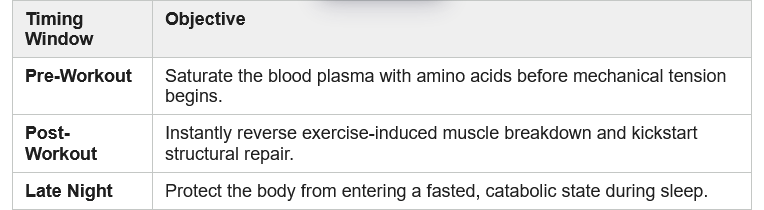
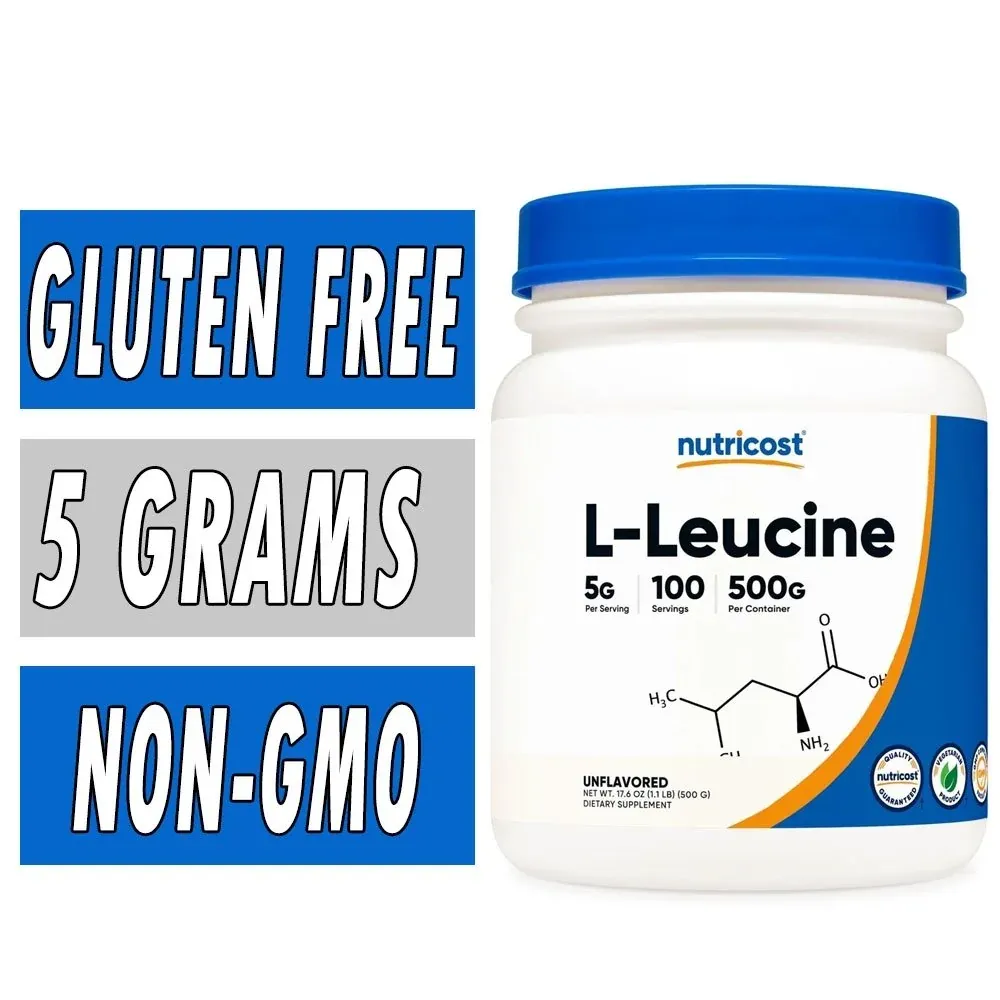
To keep the mTOR pathway aggressively activated and avoid entering a catabolic (muscle-wasting) state, you must introduce a targeted Leucine protocol. Leucine is the specific amino acid that acts as the physical ignition switch for muscle repair.
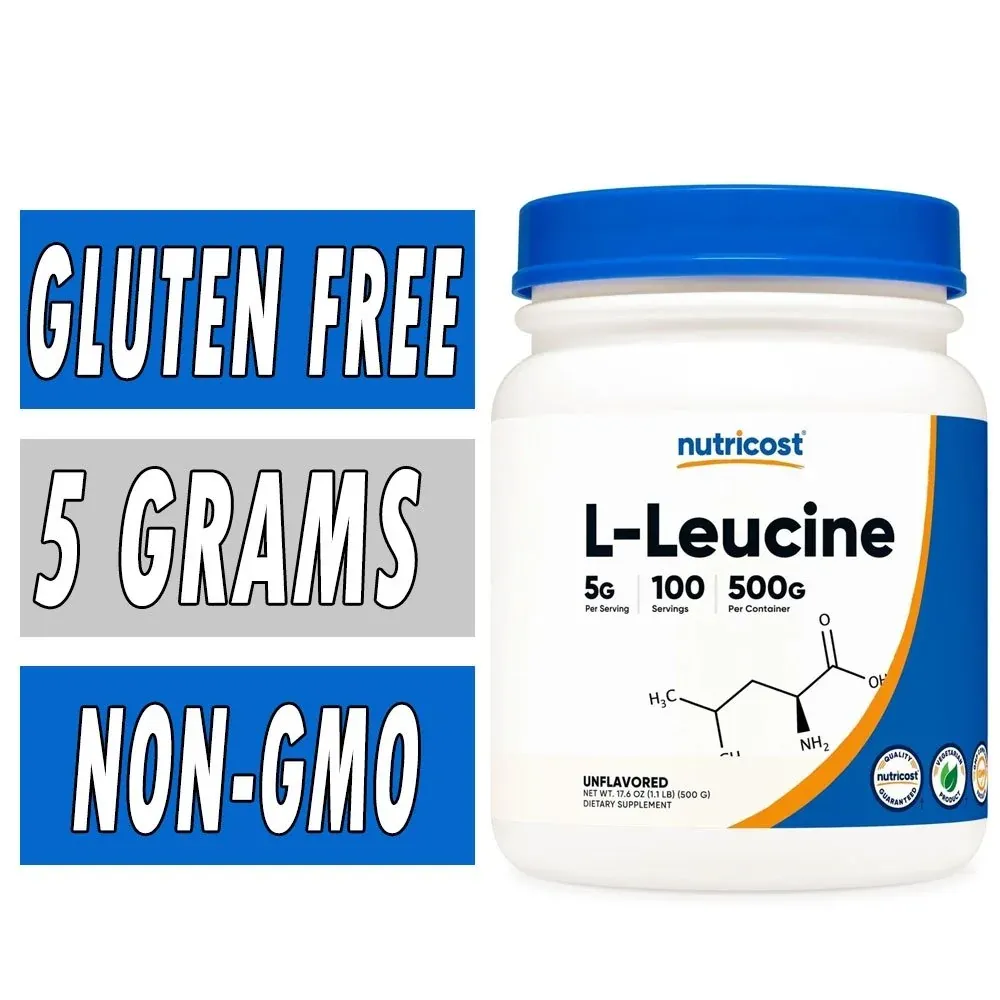
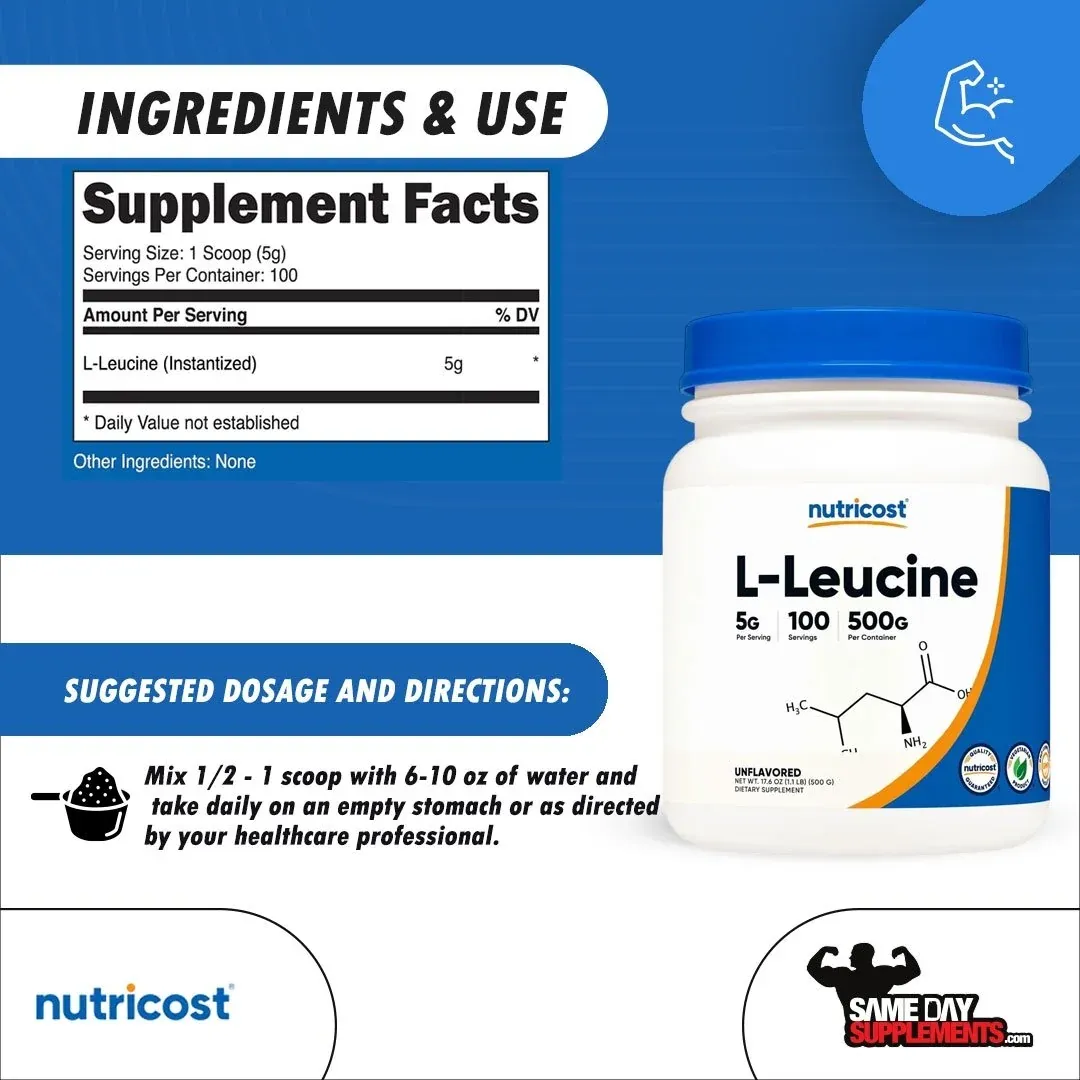
The Guardrail: You must ensure you aren’t introducing variables or compounds that accidentally deactivate or blunt the mTOR pathway during your active growth windows. Keep the signal clear, loud, and uninterrupted.
Supplements to Steer Clear of:
Berbamine / Berberine
- What it is: A highly popular over-the-counter supplement used for glucose disposal, insulin sensitivity, and managing blood sugar.
- The mTOR Bottleneck: Berberine is a powerful AMPK activator. It essentially mimics a fasted state at a cellular level. While it's great for fat loss or health longevity in non-lifting populations, it directly suppresses mTOR signaling, meaning taking it anywhere near your training window or your protein meals can actively stunt your muscle recovery signal.
Resveratrol & Pterostilbene
- What they are: Popular antioxidants frequently marketed for anti-aging, longevity, and cellular health.
- The mTOR Bottleneck: Resveratrol works primarily by activating sirtuins (specifically SIRT1) and AMPK. In the longevity community, shutting down mTOR is seen as a positive for life extension, but in a high-protein muscle preservation framework, it works completely against your goals. It dampens the cellular response to amino acids like Leucine.
High-Dose Curcumin (Turmeric Extract)
- What it is: A primary ingredient in almost every commercial fat burner, taken to increase fat oxidation and boost metabolism.
- The mTOR Bottleneck: EGCG is a direct and indirect inhibitor of the mTOR pathway. It blocks the PI3K/Akt signaling upstream, which is the exact highway your body uses to translate a heavy workout pump and protein intake into muscle preservation.
High-Dose Vitamin C & E (Post-Workout)
- What they are: Standard vitamins taken for immune support and antioxidant defense.
- The mTOR Bottleneck: While not directly shutting down the mechanism itself, taking high doses (like 1,000mg+ of Vitamin C) immediately post-workout blunts the natural reactive oxygen species (ROS) and inflammatory signaling created by training. Your body needs that acute burst of exercise-induced stress to signal mTOR to turn on. Quenching that spark with antioxidants removes the trigger to repair the muscle.
The Strategy for Your Protocol
If you are using things like Berberine for glucose management or Curcumin for joint health, timing and structural logic are everything.
To prevent them from overriding your 10g-15g Leucine protocol, you want to clear them completely out of your active training and feeding windows. Keep them completely separated from your Pre-Workout, Post-Workout, and Late-Night Leucine spikes so the mTOR pathway stays clear when it matters most. But honestly, I wouldn't recommend it.
3. Overriding Hashimoto’s and the "Anti-Famine" Shock
Losing weight with an autoimmune condition like Hashimoto's means your body is actively trying to slow down your metabolic rate. If you slash calories and jump on a treadmill for hours, your body recognizes it as an immediate threat. It drops thyroid output further and enters survival mode, holding onto fat and burning muscle.
To beat this, cardio is an absolute last resort. Instead, you manage the structural variables through precise medication adjustments (T3/T4) and a deliberate nutritional shock strategy.
To prevent the body from stalling out in "famine mode," you must implement a weekly resetting protocol.
The Weekly Famine Breaker Protocol
Once a week, you deliberately spike your caloric and fat intake with a clean, single-meal dense reset:
- The 7-Egg Reset Omelette: Once Per Week.
Cook an omelette using 6 to 7 whole eggs. Load it with shredded Swiss cheese. To scale the healthy fat and calorie counts further, introduce clean additions like bacon or unflavored ham.
- The Metabolic Signal Shift: Immediate Post-Meal.
This acute fat and calorie spike tricks the thyroid and leptin receptors. It signals to the nervous system that food is abundant, shutting down the "survival mode" defense mechanism.
- The 12-Hour Dry Fast: Night Before Weigh-In.
Cut off all water intake (except to drink a little with meds) and fast completely for at least 12 hours leading into the next morning.
- The Scale Step-Down: The Morning After.
Step on the scale immediately after the fast. As the body stops panicking and holding onto stress-induced water retention, you will physically see the weight drop take a permanent step down.
4. Training for the Goal: The Torch Pump
We aren't trying to break powerlifting world records right now. Attempting to lift maximum, low-rep heavy weight while deep in a cut under high-stress conditions is an express ticket to central nervous system burnout and joint injury.
Instead, pivot your training philosophy to volume-driven hypertrophy:
- Phase One: Focus on moderate weight with an absolute emphasis on the mind-muscle connection and maximum pump.
- Phase Two (The Finisher): End the session with light-weight, high-rep, high-intensity torch pump failure.
This protocol forces maximum blood volume, oxygen, and your circulating Leucine straight into the localized muscle cells, stretching the fascia and preserving tissue density without tearing down your recovery capacity.
The Ultimate Variable: Stress and Recovery
You can have the cleanest macro breakdown on earth, but if your mind is constantly red-lining, chronic stress will elevate cortisol and stop fat loss dead in its tracks.
Life is going to be crazy. It's going to be hectic. Find your specific anchor to mute the noise and protect your recovery capacity. Control the variables you can control: weigh the food, spike the mTOR pathway, shock the metabolism, and let the rest of the noise take care of itself.
Execution doesn't care about a perfect environment. It just requires you to show up and stack the wins.